Walk by the Rio Ebro

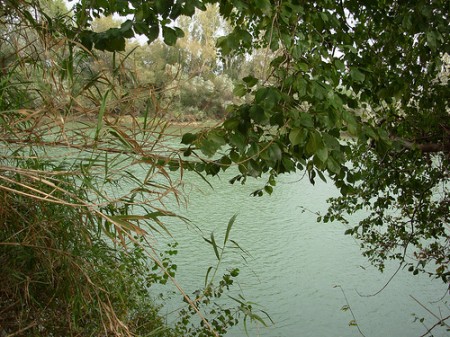
Today I walked from Tortosa to Xerta mostly along the Rio Ebro and then back along the Via Verde (green way) which is a dissused railway line which has been converted to a footpath, the roundtrip was about 30km.

Rio Ebro

Water wheel

Food for the day:

For breakfast I had a mix of sprouted seeds (hemp, sunflower and pumpkin) with soaked goji berries, figs and apricots

Throughout the day I had about 5 kakis, 8 satsumas, a few dates and cacao beans plus an orange and some carob pods I found along the way.

When I got back I had a custard apple and then a large salad with wild greens I picked during the walk, courgette, olives, a tomato, some fresh dulse, sprouted rye and some onion basil and olive cracker.

More photos on Flickr.

Edible beech nuts from Epping Forest

I was walking in the forest when I heard a pitter-patter sound, like the sound of water dripping from the leaves after it has rained. But it hadn’t rained recently so I stood still and watched to see what was falling. Beech nuts! I’ve seen the empty outer shells before but never the actual nuts – I think the squirrels get them if you’re not quick.

Beech nut outer shell

The individual nuts were falling out of the outer shells onto the ground. I picked up a nut and found that unlike most nuts it was very easy to open with my finger nails. The nut looks a bit like a pine nut, and surprisingly it also tasted a bit like a pine nut.

Beech nuts in shells

I’ve done a little research and found that beech nuts (also called beechmast) are high in tannins and shouldn’t be eaten in large quantities. Soaking them for 8 hours or more and then rinsing them removes some of the tannins and probably makes them easier to digest.

Beech nuts

We opened and then soaked the ones we collected and made pesto with them, not quite as creamy as when made with pine nuts but still delicious.

The European beech, Fagus sylvatica, also known as the common beech, is part of the Fagaceae family which also includes oak and sweet chestnut (but interestingly not horse chestnut which is unrelated).

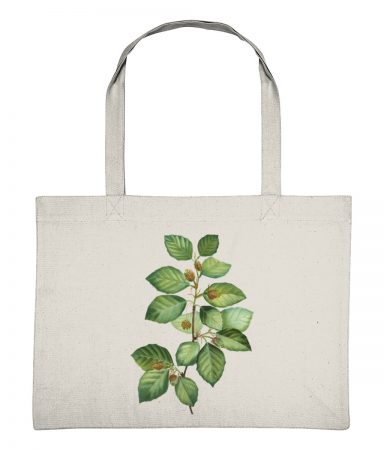
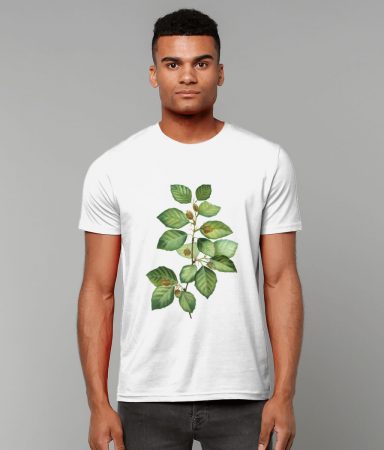
I found a public domain illustration of a beech branch with leaves from an old 1801 book and used it to create a t-shirt and shopping bag for my organic clothing website.
How to make a raw Cherry Cake

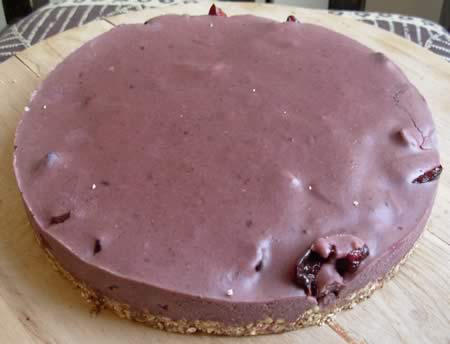
At the weekend I got some cherries from the farmers market so for this evenings social, I made this cake with fresh cherries:

Cherry cake

To make the base:

Put 70g of buckwheates, the mulberries and dates into a food processor and process until you have a crumbly mixture. Add a tablespoon or two of water and process again and the mixture should start sticking together. Add the rest of the buckwheaties and the cacao nibs and process briefly so that there will be some crunchy bits left. Press into a cake tin.

Fruit layer:

Take about 500g of fresh cherries, remove stones, chop into quarters and spread out on the base.

Topping:

  • 2 mature (brown) coconuts
  • 5 tablespoons lucuma powder
  • 1 teaspoon vanilla powder
  • 1 teaspoon agave nectar
  • about 10 cherries with stones removed
  • a few squeezes of lemon juice

First make coconut cream from the coconuts: open, remove flesh and chop into pieces. Blend until fluffy. Squeeze through a nut milk bag to get the coconut cream.

Stir the lucuma,vanilla powder, agave and lemon juice in to the coconut cream.

Blend up the cherries and mix them in. Hopefully the mixture should be relatively thick now (but still liquid enough to pour), if not you might need to add some more lucuma.

Pour over the cherries on the base and place in the fridge to set.

Hope you like it!

Cherry cake

Monday Evening Raw in London

We’ve started a new event at our house every Monday evening from 7 to 10pm, a mini social gathering where you can meet other people into raw food, plus get free advice on your diet. Jolita will be making her amazing raw cakes and you will be able to purchase items from the Funky Raw shop.

  • Free raw advice / Q+A with Rob and Jolita
  • Freshly made raw cake £4 a slice
  • Free herbal tea
  • Browse our library of raw and wild food books
  • Buy from the Funky Raw shop
  • Paintings and ceramics by Jolita to view and purchase

We’re just 10 minutes walk from Walthamstow Central tube/train station. If you want to attend, full details are here.

Jolita's Raw Cake

Raw Cake Counter at Wholefoods Market

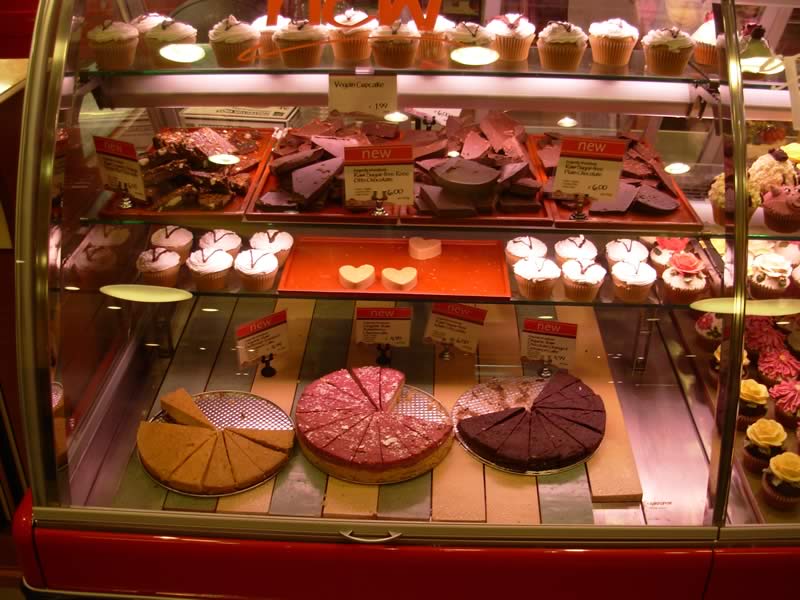
I went to Wholefoods Market yesterday to check out the new raw foods they are doing (supplied by Dragonfly Wholefoods) and this is what I found:

Wholefoods Market cake counter

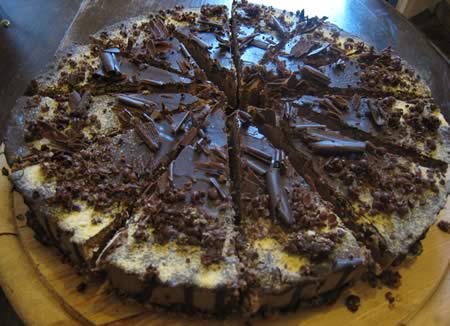
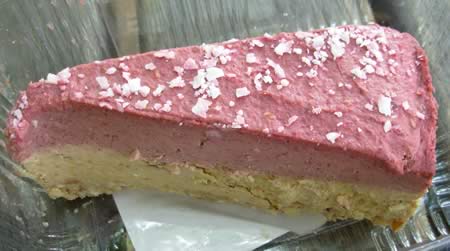
A raw cake counter with butternut vanilla and cinamon cake, raspberry cheesecake and chocolate orange cinnamon cake plus three types of raw chocolate and white chocolate. The only problem now was which one to have, I’m not used to this much raw choice! After much deliberation, I went for the raspberry cheesecake:

Raw raspberry cheesecake

It was of course delicious, I highly recommend it… now I just need to try the others.

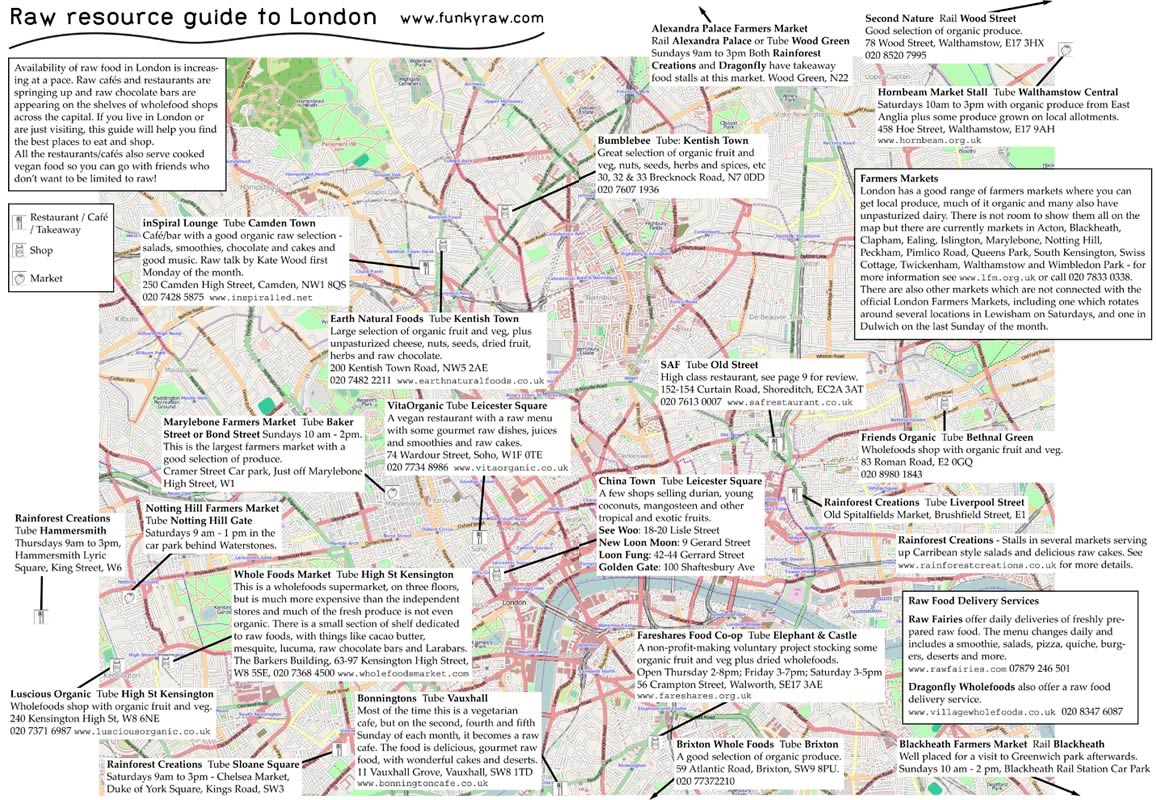
Raw Guide to London

Funky Raw magazine issue 13The Spring issue of Funky Raw is out now, it’s a bumper 44 page issue with all the usual news, reviews, recipes, wild food, poetry, plus articles on permaculture, shamanism, training and lots more. Available as a printed magazine or download.

To give you a taster, here is my raw food resource guide to London: cafes, restaurants, shops and markets. You can download it as a PDF (762kb) or click the map below to enlarge.

If you have any updates or anything to add, please leave a comment. I already have one update: Wholefoods Market (Kensington) are now selling flax crackers, onion coriander & leek bread, raw vegan cheesecake, chocolate orange and cinnamon cake and raw chocolate supplied by Dragonfly Wholefoods.

Raw Resource Guide to London

Spring is here, collecting wild greens again

Spring is here and the wild greens are back! It’s been a particularly bad winter for wild greens which makes it even more exciting to go forraging again. In the last week I’ve been picking garlic mustard, wild garlic, wild leek, dandelion, plantain, sow thistle, sheep’s sorrel, chickweed, hawthorn leaves and possibly more.

Here’s a photo I took of some sheep’s sorrel. It’s got a strong lemony taste. It’s not good to eat in large amounts due to it’s high oxalic acid content, but because of it’s strong flavour you usually only want to use it in small amounts mixed into a salad.

Sheep's sorrel

Mushrooms in a creamy sauce

I made this for dinner and it was delicious and fairly simple to make:

Finely chop a piece of leek (about 20g) and tear up some fresh coriander leaves and marinade them in lemon juice and flax oil. (If you don’t have leek, I’m sure onion would work just as well.)

Slice some mushrooms and mix them in well.

In a seed grinder (or blender) grind a couple of handfuls of pine nuts. Then add a handful of coriander and a little water and grind until smooth. Mix this in with the mushrooms and it’s ready to eat.